📢 Hoopla Update: YCL Digital Services Restored
Hoopla, Libby, Kanopy, ComicsPlus, and Biblioboard now require a PIN. Your default PIN is the last four digits of the phone number on your library account. To reset it, go to My Account and select "Forgot my Password."

York County Library
Genealogy & Family History Expo


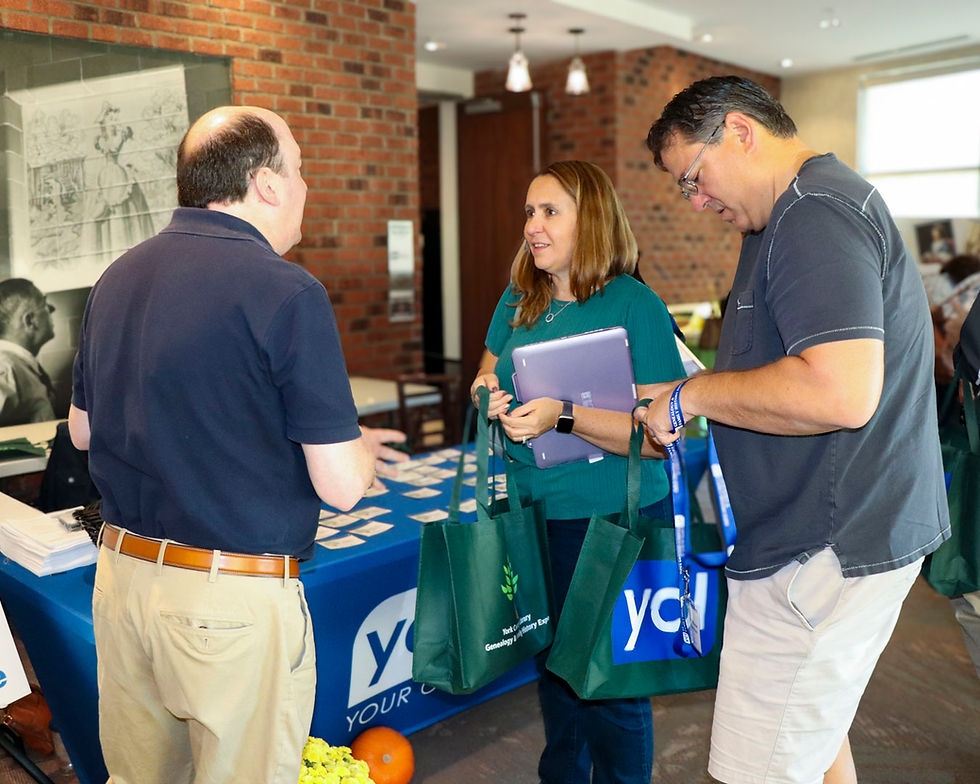


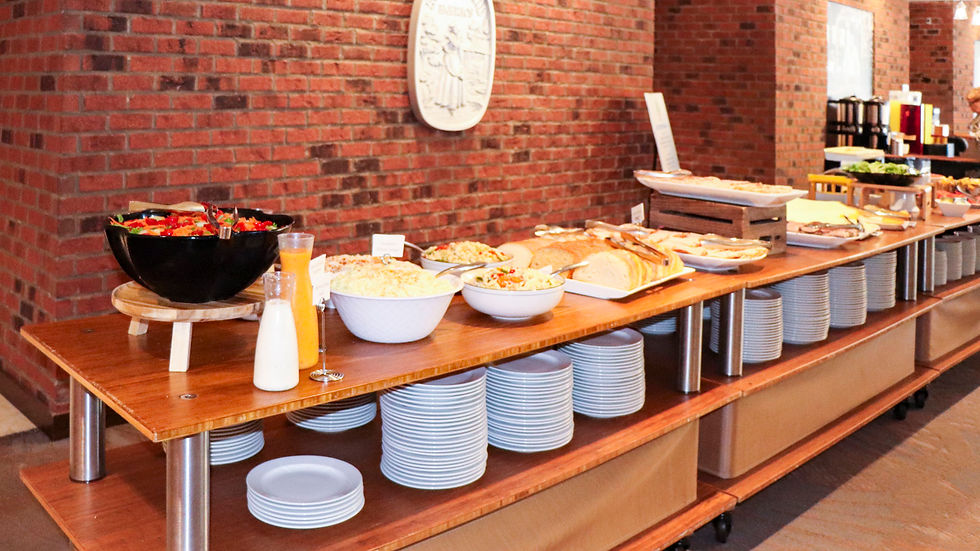


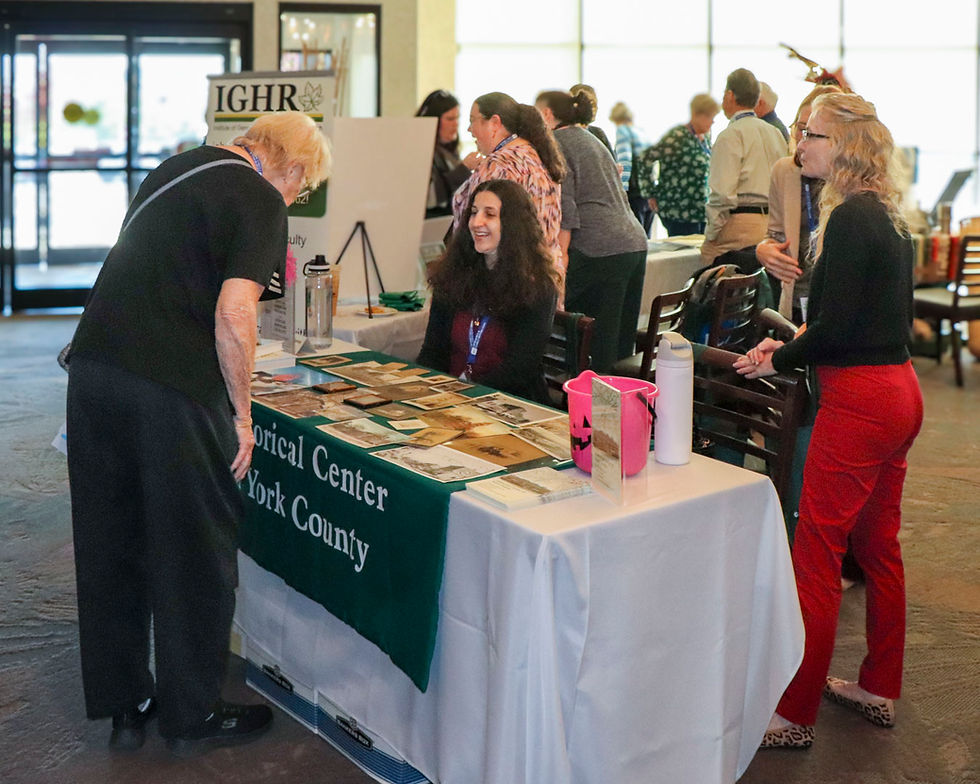
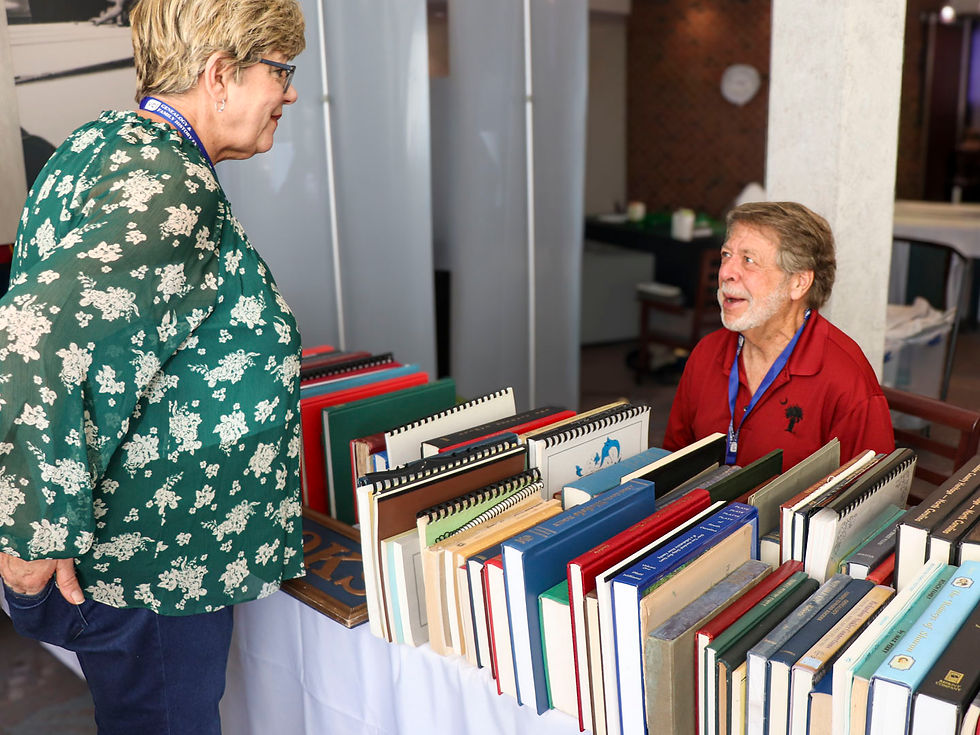


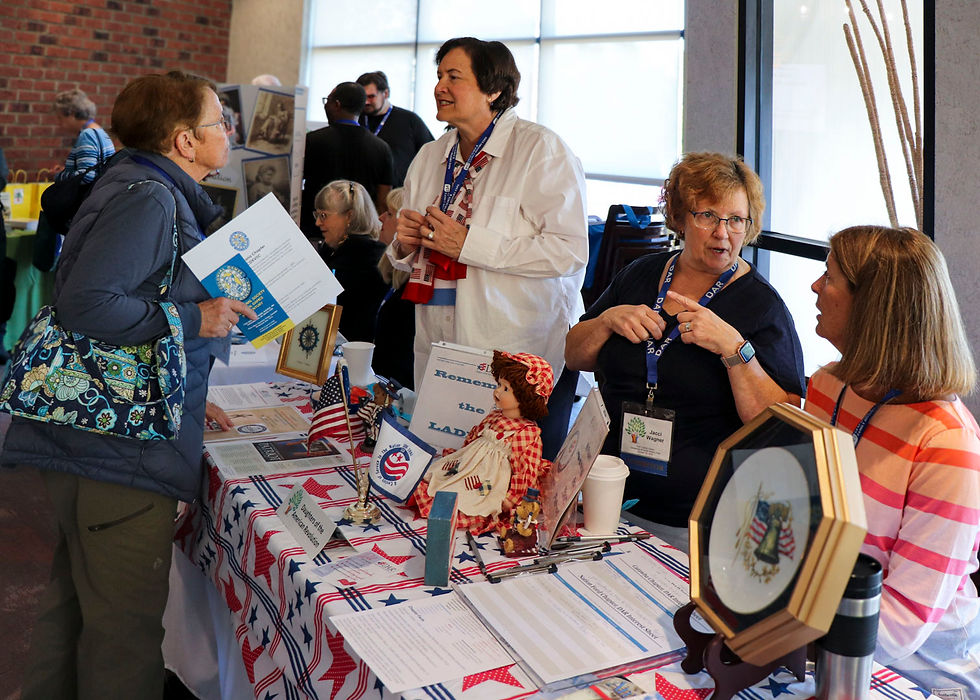


2025 Genealogy & Local History Expo: Photos by YCL Staff
Friday & Saturday, October 23–24, 2026
Courtyard by Marriott • Fort Mill, SC
Two exciting days of genealogy, history, and discovery!
-
Free admission with advance registration
-
16 informative presentations by professional genealogists and historians
-
3 pre-conference hands-on workshops
-
Catered complimentary luncheon
-
Exhibitors and vendors from local and regional historical and genealogical societies
-
Free genealogical resources and gifts to enhance your family research
-
Fantastic door prizes, including DNA testing kits, subscriptions to genealogy websites and software, genealogy books, and more

📌 Note for Attendees: All events are free, but registration is required and opens on October 1. See below for full registration details. Questions? Contact John Skardon at john.skardon@yclibrary.org.
Registration Details
-
Registration opens Thursday, October 1, and is required for all events.
-
Register online via our Events Calendar, use the links below, or email John Skardon at john.skardon@yclibrary.org.
-
Friday Workshops and the Saturday Main Conference require separate registrations.
-
Attendees may register for only one Friday workshop due to overlapping times and limited space.
Expo Schedule
Pre-Conference Workshops — Friday, October 23, 6–8:00 p.m.
Workshop space is limited. Please register for one workshop only.
Metes & Bounds Land Platting Register to Attend (David M. McCorkle)
Property boundaries in the original 13 colonies were described using a system called “metes and bounds.” This hands-on workshop will teach you how to find, read, and understand these records, how to create maps of properties and neighborhoods using traditional hand drawing and specialized software, and how to locate the property today.
Move Your Research Forward: A Hands-On Workshop Register to Attend (Cheri H. Passey)
Have you gathered family information but are not sure what to do next? Bring information on one ancestor you want to learn more about and work through the steps of creating a focused question, building a timeline, choosing records to search, and planning your next move. Bring printed copies or save your information to a laptop or tablet before the workshop. Internet access is not required.
Don’t Keep Everything! A Hands-On Photo Curation Workshop Register to Attend (Michele Doyle & Dorothy Tucker)
Overwhelmed by boxes of family photos? Learn our simple Four-Bucket Method for deciding what to Keep, Review, Digitize & Decide Later, or Release. This hands-on workshop will have you making real decisions — not just taking notes. Bring photos or use our practice collection.
Main Conference — Saturday, October 24. 8:30–5:00 p.m.
8:30–9:30 a.m. Check-In / Exhibits & Vendors
9:30–9:45 a.m. Welcome (John W. Skardon, York County Library Genealogy Librarian)
9:45–11:00 a.m. Keynote: Writing & Sharing Your Ancestor’s Stories (Angela Packer McGhie)
Bring your research to life for your family and future generations by writing engaging biographical sketches. Preserve your research and your family heritage by verifying family stories with records and pulling details from records to put together a life story.
11:00–11:15 a.m. Break / Exhibits & Vendors
11:15 a.m.–12:30 p.m. Presentations
-
Backtracking Your Migrating Ancestors: A Methodology That Works (Barbara Vines Little)
Migrating ancestors often leave little trace of their origin other than family tradition or a census notation. Researchers who make the leap to the supposed origin’s record sources without sufficient preparation face little success and a great deal of frustration in their search. The process is much the same whether the researcher is looking for the ancestral homeland in another country or simply tracking the roving ancestor from state to state as he searches for ever greener pastures.
-
Testing a Case Using the Genealogical Proof Standard (Angela Packer McGhie)
This session will walk through a case step by step in an effort to identify the parents of a Virginia man born in 1802. Participants will have a chance to evaluate the research at each phase and help determine whether this case meets the Genealogical Proof Standard for thorough research, analysis, and conflict resolution.
-
Introduction to AI for Genealogists (Steve Little)
What is artificial intelligence, and what can it genuinely help genealogists do? This practical introduction explains how today’s AI tools work, where they are useful, and where they can mislead. Participants will see a clear framework for getting started with summarization, extraction, generation, and translation while keeping careful human verification at the center.
-
A Full House: Getting the Most from Pre-1880 Census Records (Kelley Conner Lear)
Whether you're working with tick marks or named households, every census before 1880 requires us to do more with less. We'll explore the full range of schedules available across these pre-1880 censuses—population, mortality, agricultural, manufacturing, and slave schedules—and examine what each can and cannot tell us. Using Genealogy Standards as our guide, a case study will demonstrate how carefully analyzing a single household can generate a research plan, point us toward other records, and ultimately help us demonstrate the relationships that the census alone can't convey.
12:30–1:45 p.m. Luncheon / Exhibits & Vendors
1:45–3:00 p.m. Presentations
-
Migration Trails & Settlement Clusters (Barbara Vines Little)
We’ll look at migration into Virginia, within Virginia, and out of Virginia. Our ancestors were constantly on the move; however, geography, politics, and war all impacted where they went and when.
-
Analyzing Documents: Digging into the Details (Angela Packer McGhie)
Assessing the reliability and accuracy of documents is essential in genealogical research. This session will guide participants in evaluating genealogical documents and the information they contain. Using the provided list of questions, we will review a variety of documents and assess the characteristics that affect record reliability.
-
Reading Between the Lines: What Land Records Can Tell Us About Our Families (Kimberly T. Powell)
A deed can name your ancestor's father-in-law, hint at a previously unknown marriage, document an inheritance fight, and locate them on a road that no longer exists. This session covers how to extract that kind of information from land records and how to track land through a family across generations.
-
From Generation to Generation: Enslaved Lineage Under South Carolina’s Elite (Bernice A. Bennett)
This session explores the complex history of enslaved lineages within an elite South Carolina family. By analyzing plantation records, wills, deeds, and other historical documents, the presentation uncovers how enslaved families were maintained, transferred, and documented across generations. It emphasizes methodology for tracing these lineages and revealing the hidden narratives preserved within elite family archives.
3:00–3:15 p.m. Break / Exhibits & Vendors
3:15–4:30 p.m. Presentations
-
AI for Document & Image Analysis (Steve Little)
Learn how AI can help genealogists read handwritten records, extract information from certificates, identify clues in historical photographs, and transcribe difficult documents. Real-record demonstrations show both the usefulness of these tools and the checks needed to keep conclusions grounded in the original evidence.
-
Squeezing Blood From a Turnip: Getting Every Drop of Information From Your Sources (Kelley Conner Lear)
Even the most familiar records can hold untapped information for those who know how to look deeper. This session will demonstrate techniques for extracting hidden details and less-obvious evidence through detailed analysis, contextual understanding, and careful reasoning. Participants will learn how to transform seemingly routine sources into more powerful tools for stronger, better-documented genealogical conclusions.
-
Southern Research Challenges & How to Work Around Them (Kimberly T. Powell)
Researching in the South often means working without the records you'd reach for first. Burned courthouses, changing county boundaries, and sparse early records leave gaps in the obvious sources. This session covers strategies for planning around what's missing and the underused record sets that often fill the gaps: tax lists, loose estate papers, equity and court records, apprenticeship bonds, guardianship records, legislative petitions, and county court minutes.
-
Searching for the Living & Connecting with the Slave Owner’s Descendant (Bernice A. Bennett)
This session delves into the strategies I used to uncover and connect with living relatives of enslaved South Carolinians, culminating in an unexpected and profound connection with a descendant of the enslaving family. Attendees will gain insight into creative research methods, navigating historical records, and the emotional and historical significance of bridging generations through genealogy.
4:30–5:00 p.m. Door Prize Drawings & Closing Remarks
Presenters

Angela Packer McGhie
CG, FUGA

Kimberly T. Powell
AG

Barbara Vines Little
CG, FNGS, FUGA, FVGS

Steve Little

Kelley Conner Lear
CG

Bernice A. Bennett

Cheri Hudson Passey

David M. McCorkle

Michele Doyle (MSLS) & Dorothy Tucker
Sponsors & Donors


Additional Information


Directions
The York County Library Genealogy & Family History Expo will be held at the Fort Mill Courtyard by Marriott:
1385 Broadcloth Street • Fort Mill, SC 29715 • 803-548-0156
From Charlotte: Take I-77 South to Exit 85. Turn left onto Highway 160. At the second traffic light (Kingsley Springs), turn left, then make a second left onto Broadcloth Street. The hotel is at the end of the street.
From Columbia: Take I-77 North to Exit 85. Turn right onto Highway 160. At the first traffic light (Kingsley Springs), turn left, then make a second left onto Broadcloth Street. The hotel is at the end of the street.
Downloads & Links